



















The energy audit
Do you have a home that is considered an energy sieve or on the edge? Would you like to know more about the subject of energy audits? Discover the main points of the subject: what is an energy audit , when is it relevant to have one carried out by a professional, what is the difference with an EPC , which professional should you turn to. Here, we answer your questions on these subjects. Enjoy reading!
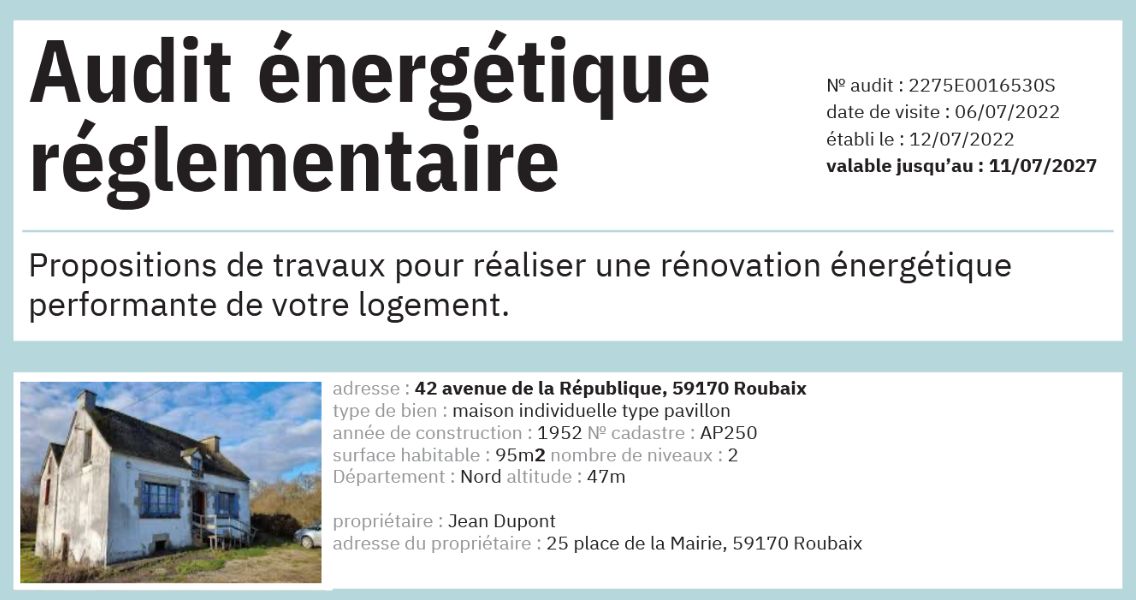
What is an energy audit?
This is an in-depth analysis of the energy consumption of a building or industrial site. The aim is to identify opportunities for reducing energy consumption and energy costs.
The energy audit includes the examination of the systems of:
- Heating
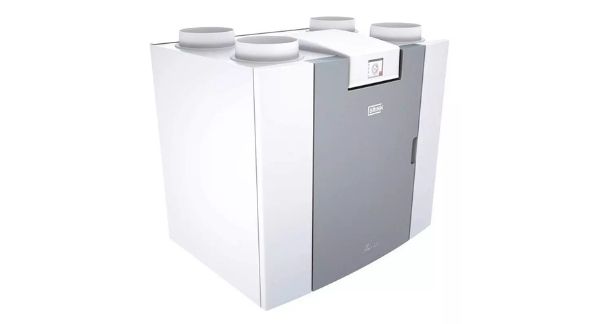
- Ventilation
- Air conditioning
- Lighting
- Energy use in industrial processes
- Efficiency of electrical appliances
- Thermal insulation of buildings
The objective is to enable owners to identify the work to be carried out , with simulations of the costs and expected gains:
- Upgrading equipment to optimize energy performance
- Improving insulation
- Installation of energy control devices
Differences between an energy audit and an EPC
The energy audit is more comprehensive than the Energy Performance Diagnostic, or DPE. The latter is limited to the building envelope and the heating and domestic hot water production equipment.
The energy audit goes beyond the DPE by recommending solutions to improve the energy performance of the home . Ideal before starting a renovation.
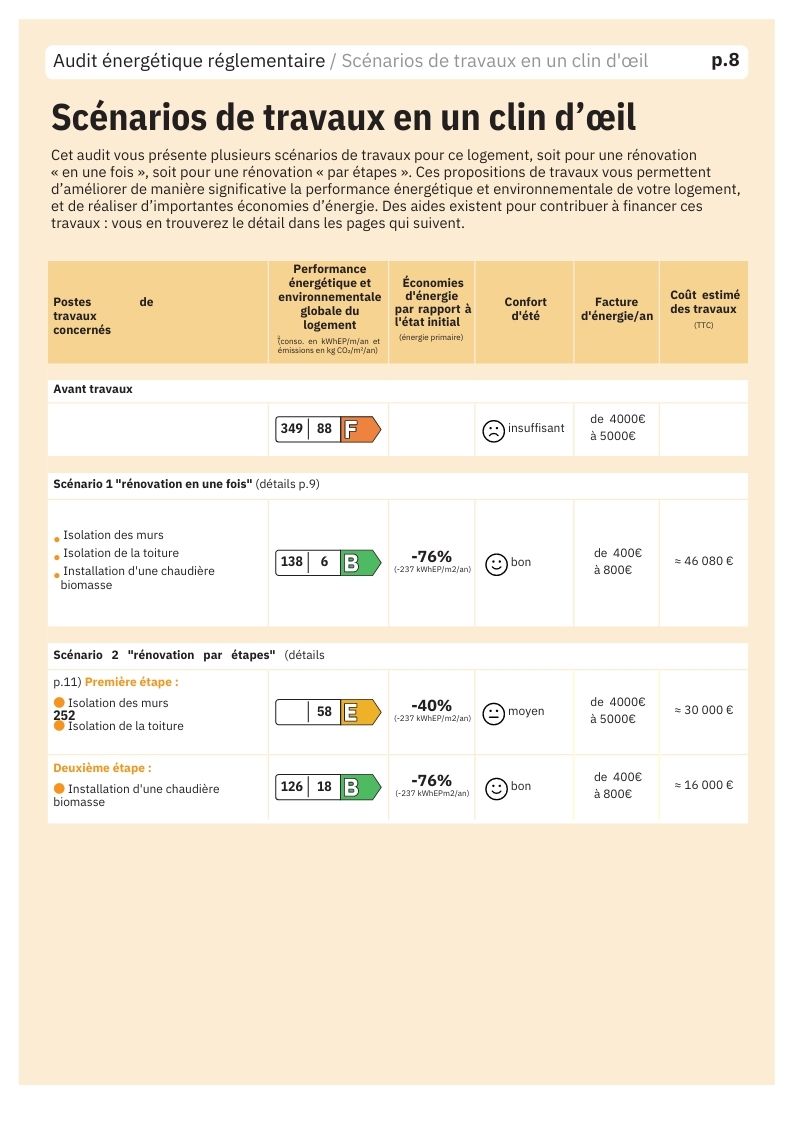
The DPE is limited to providing information on energy consumption and greenhouse gas emissions.
The DPE is valid for 10 years after that, you must do one again if you sell or rent your property. The audit will be valid as a report of a given moment. It is not intended to be used in the same way, which explains this difference.
Why carry out an energy audit of your home?
A “regulatory” energy audit becomes mandatory, in addition to the DPE:
- From April 1, 2023 for housing with a DPE in class F or G
- From January 1, 2025 for housing with a DPE in class E, F or G
- From January 1, 2034 for housing with a DPE in class D, E, F or G
Reduce energy consumption : An energy audit helps identify sources of energy waste and propose solutions to reduce energy consumption. This can result in significant energy savings and therefore a reduction in the energy bill.
Legal requirement: From April 2023 and the Climate and Resilience law, this assessment will be mandatory for the sale of housing classified F or G (the famous thermal sieves)
Obtaining assistance : in order to constitute your application, an energy audit is essential. This allows you to make a precise assessment of the property and the renovation project. It is also necessary for the zero-rate eco loan
Improve comfort : a home that consumes less energy is often more pleasant, because the temperature is better regulated and the air is healthier.
Add value to your property : An economical property is pmore attractive on the real estate market, a trend amplified since the rise in energy prices in 2022.
The stages of an energy audit
Before the thermal engineer comes
Collect information about your home and simplify the appointment with a few simple actions:
- Housing plan
- Latest DPE
- Year of construction
- Statements of your energy consumption and bills
- Clear access to the heating system, maintenance related documents
This will allow the diagnostician to better understand the characteristics of your home and carry out a more precise assessment of its energy performance.
Visit
During the visit, the energy auditor carries out a study of the configuration of your home, the energy consumption of its occupants, the use made of equipment (heating, insulation, ventilation systems, openings, etc.). He also checks for the presence of air leaks, thermal bridges and other factors that can have an impact on the energy consumption of your home.
Actual consumption records
The expert compares the theoretical consumption of the building with actual data. A significant difference can help identify sources of optimization of the most energy-consuming items.
Recommendations
The energy auditor then gives you advice on how to make optimal use of the equipment installed and improve the energy performance of your home.
In particular, he can recommend insulation work, changing the heating system, ventilation, or even windows. These recommendations are quantified and allow you to prioritize the work to be carried out.
Out of the balance sheet
Finally, the energy audit results in relevant, concrete and quantified proposals concerning the energy improvement work to be carried out.
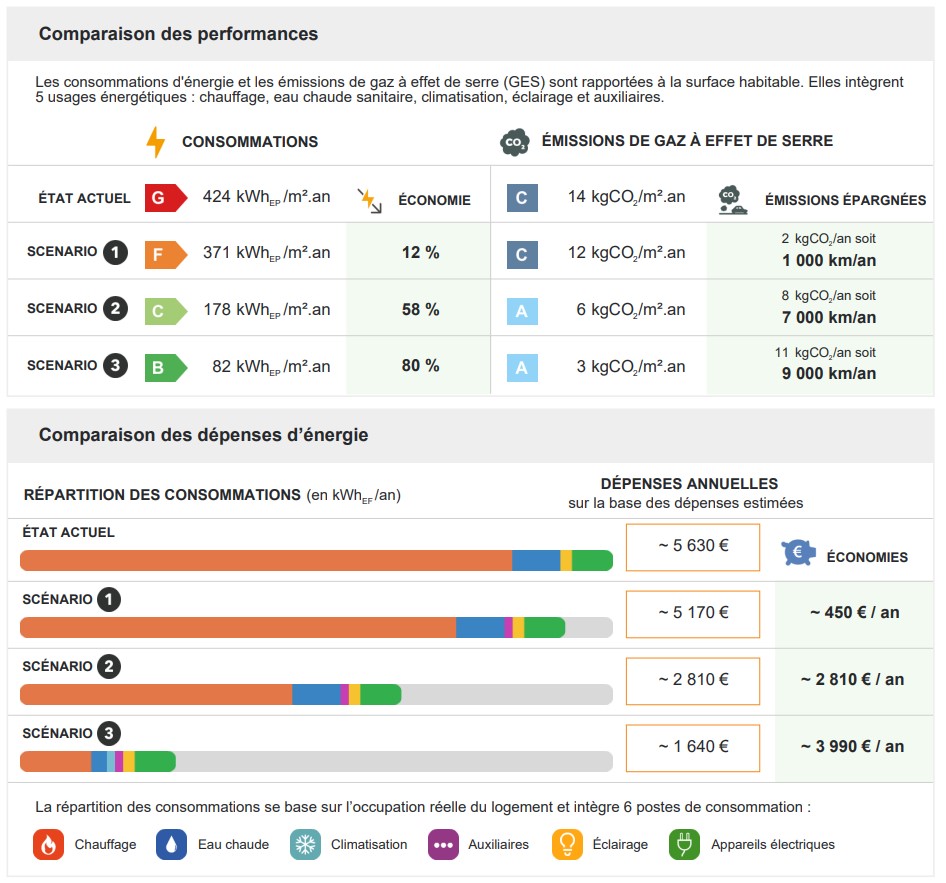
It specifically mentions the order in which the work should be carried out and therefore allows you to prioritise it. This will help you make informed decisions to improve the energy performance of your home and save money on your energy bills.
Specific steps of the regulatory energy audit

Who can perform this type of diagnosis?
Energy audits of residential or commercial buildings can be carried out by engineers or technicians specializing in energy efficiency (thermal engineer).
| DPE | Regulatory energy audit | “Voluntary” energy audit | |
|---|---|---|---|
| Who is concerned? | Seller Landlord | Seller Landlord | Owner or lessor |
| For what ? | Sell or rent | Selling or renting a home with an EPC of F or G | Get help Preparing a renovation project |
| When ? | Before sale/rental | Before sale/rental | Before the work |
| Who carries out the audit? | Diagnostician | Diagnose (under conditions) or thermal design office | Thermal design office |
| Period of validity | 10 years | 5 years | 10 years |
Where to find a listener?
- France Rénov' website: https://france-renov.gouv.fr/annuaire-rge
- Directory of certified diagnostic auditors: http://diagnostiqueurs.din.developpement-durable.gouv.fr/index.action
Cost of an energy audit
Expect to pay between €500 and €1,500 depending on the size of the accommodation, the service offered and the location of the property. Please note that the rate is not regulated. Each auditor is therefore free to charge the fees of their choice.
Please note: some communities provide financial assistance, such as the Effilogis system in Bourgogne-Franche-Comté (€650 subsidy for an audit billed at €800, i.e. €150 at your expense)
At the national level, MaPrimeRenov can also support you (up to €500, depending on your household income, conditions to be checked)
For a complete condominium, prices are mechanically higher. They can reach up to several thousand euros, the number of dwellings determining a significant part of the cost.
To conclude
The energy audit is an essential step both for a renovation and for certain new legal obligations. The number of homes concerned being estimated at several million, this more in-depth analysis of energy performance will help you optimize your home and thus reduce emissions of greenhouse gases related to housing.
Source Images and info:
https://www.ecologie.gouv.fr/audit-energetique-reglementaire
https://www.ecologie.gouv.fr/questions-reponses-sur-laudit-energetique-reglementaire