






















Supply and extraction vents, key elements for ventilation
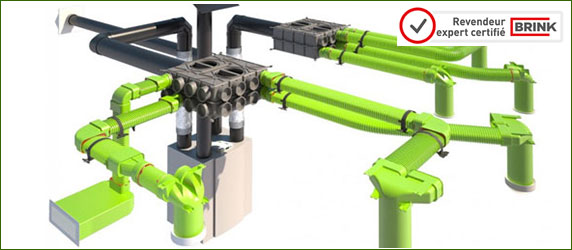
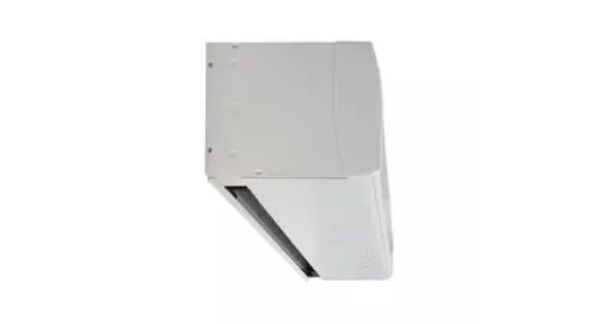
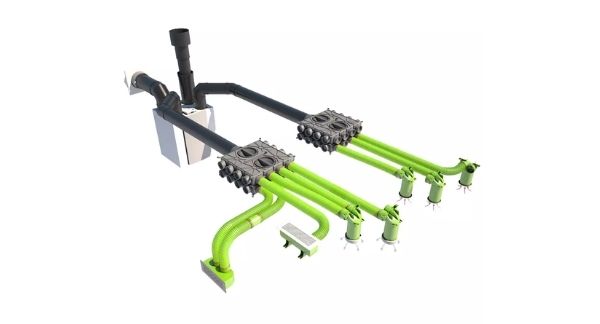
Supply and extraction vents are essential elements for ensuring good ventilation in buildings. They allow fresh air to be distributed and stale air to be evacuated, while ensuring optimal thermal and acoustic comfort.
The different types of blowing and extraction vents
There are different types of supply and exhaust vents, which differ in their shape, mode of operation and area of application.
The blowing mouths
Air vents are used to distribute fresh air into rooms. They can be of different shapes (round, square, rectangular) and different diameters. There are several types of air vents:
- Induction vents: they create a Venturi effect that draws in ambient air and mixes it with fresh air. They thus reduce drafts and noise.
- Directed jet vents: these allow the air jet to be directed towards a specific area, in order to ensure good distribution of air in the room.
- Diffusion vents: they are equipped with a diffusion device which allows the air to be distributed evenly throughout the room, without creating drafts.
Extraction vents
Extraction vents are used to evacuate stale air from rooms. They can be of different shapes (round, square, rectangular) and different diameters. There are several types of extraction vents:
- Simple extraction vents: they are equipped with a suction grille and a connection to the ventilation network.
- Self-regulating extraction vents: they allow the air flow to be automatically regulated according to the needs of the room.
- Hygroregulated extraction vents: they allow you to regulate the air flow according to the humidity level in the room.
Technical characteristics of the blowing and extraction vents
The supply and extraction vents are characterized by several technical parameters, which allow to determine their performance and their field of application.
Air flow
Air flow is the amount of air that passes through the vent in a unit of time. It is usually expressed in m3/h or l/s. Air flow depends on the air speed and the cross-section of the vent.
The pressure loss
Pressure loss is the resistance to air flow through the mouth. It is usually expressed in Pa or mmCE. Pressure loss depends on the shape of the mouth, surface roughness and air velocity.
The sound level
Sound level is the measurement of the acoustic power emitted by the mouth. It is usually expressed in dB(A) or dB. The sound level depends on the air speed, the shape of the mouth and the material used.
The advantages of supply and extraction vents
Supply and exhaust vents have many advantages for building ventilation:
- They allow fresh air to be distributed and stale air to be evacuated in an efficient and controlled manner.
- They ensure optimal thermal and acoustic comfort, reducing drafts and noise.
- They allow energy savings to be made by reducing pressure losses and regulating the air flow according to needs.
- They are easy to install and maintain, thanks to their simple and robust design.
Discover our other categories for your VMC network
- Insulating sheath for VMC network
- Air intake and exhaust terminals
- HDPE sheath and connection tee
- Silencer for ventilation
- Forced air heating
Find our world on Controlled Mechanical Ventilation