











How to choose your bioclimatic pergola?
Want to enjoy your garden or patio while being protected from the sun, wind, and rain? One solution that might interest you is the pergola . This accessory is an excellent alternative between a veranda and an awning. Its presence also creates a welcoming space and enhances your outdoor space.
When choosing your pergola , several elements come into play and must be studied beforehand, such as the different models offered, the budget, the manufacturing material. Clearly, if the choice of your pergola seems complicated to you, we provide you here with all the criteria to consider.

Pergola: 7 questions to ask yourself before getting started
For some time now, you've been considering installing a bioclimatic pergola . That's perfect! But before you choose a model, there are a few questions you should ask yourself to better prepare yourself and avoid any unexpected problems.
The location
The size and shape of the available space will largely determine the size and shape of the pergola you can install.
The climatic conditions
Does your area experience heavy rain? Is it very windy? The answers to these questions will help you determine the appropriate types of materials, the appearance of the slats to install, and other factors related to the installation of your pergola.
What use
There are two possible answers: the pergola will be a simple protection to prevent the sun from entering the interior, or the pergola will be a real living space where the whole family will gather regularly.
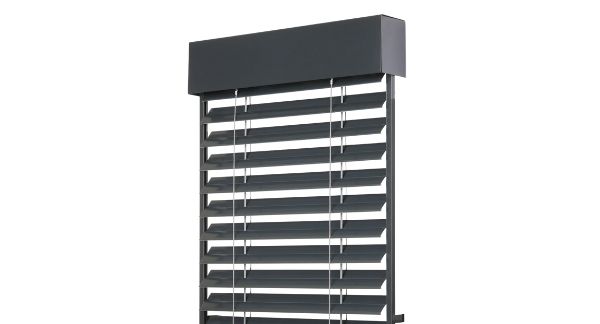
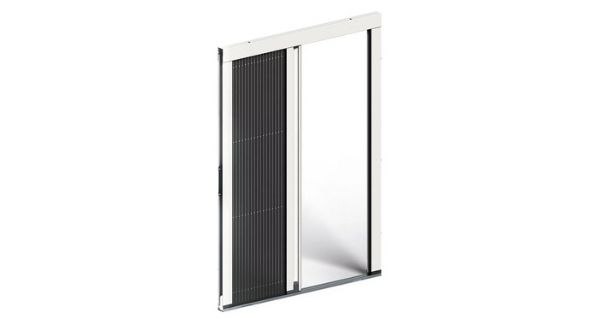
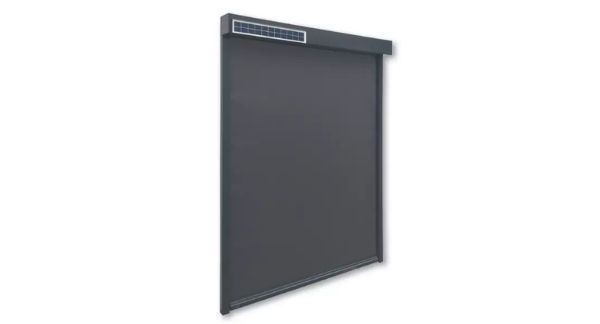
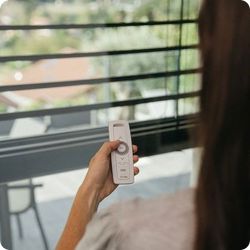
Options to consider such as vertical blinds to act as a privacy screen?
In truth, the model to be fitted and the choice of roof will depend on the use you are going to make of it (and the desired level of comfort).
The budget
This is one of the most important factors when you want to install a pergola. This question will help you determine the type of material that will make up the structure of your pergola.
Still on this financial aspect, have you included the additional work to be done (electrical connection, floor, concrete, etc.)?
The dimensions
Do the measurements taken allow you to stick with a standardized product (therefore more economical) or do you need a custom-made pergola?
Short-term or long-term investment
It's essential to install it in advance, as some pergolas are designed with strong, durable materials, while others are not. This is particularly evident with the many entry-level gazebos that don't last more than one or two seasons.
Definition of bioclimatism
Bioclimatism is a design approach that aims to use local climatic conditions to optimize thermal comfort inside a building.
It is a concept that takes into account natural elements such as:
- the orientation of the building
- weather conditions
- topography
- environmental characteristics to create an energy-efficient and comfortable building for occupants.
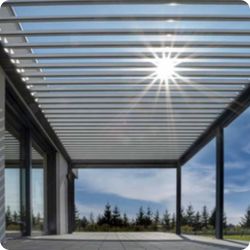
In the case of a bioclimatic pergola , this means that the pergola is designed to use natural elements such as shade, wind, and sunlight to create a comfortable environment. For example, the pergola may be equipped with adjustable slats that can be adjusted to allow light and heat from the sun to penetrate in winter. While in summer, the slats can be oriented to provide shade to reduce heat.
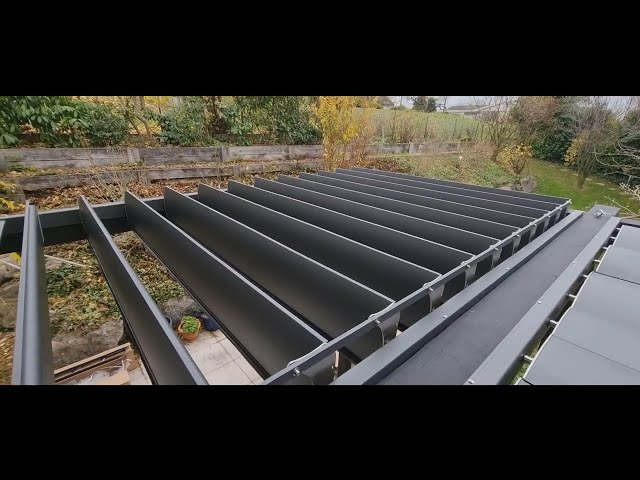 ▶" title="Installation of a bioclimatic pergola adjustable blade kit">
The 4 different types of pergolas
The pergola is available in:
- removable
- leaning against
- self-propelled
- without pole
Removable
This is the most practical and easy-to-use pergola, which is easy to assemble and move. Its only drawback is its less aesthetic appearance and, above all, its resistance to weather conditions is much lower.
It's occasionally used to shelter your garden or patio. From a legal standpoint, this type of pergola must be installed for a maximum of 3 months per year. In practice, it's similar to a simple arbor, a basic shelter.
Leaning Pergola
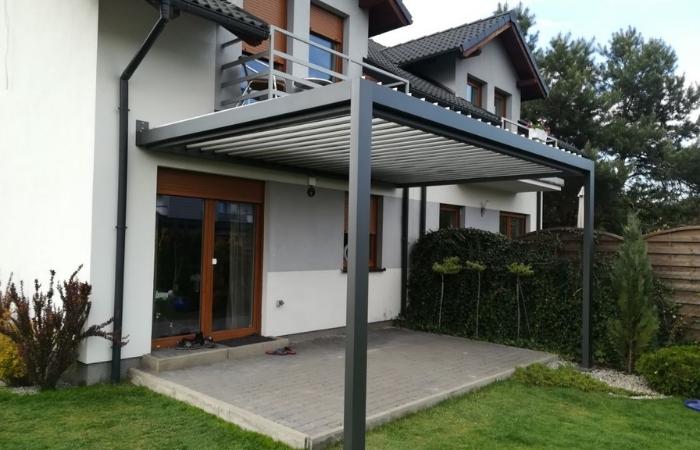
The attached pergola is a true extension of the house. As its name suggests, it rests on the facade of the house and two posts. It provides better protection for outdoor furniture.
Learn more about the attached pergola
Self-supporting pergola
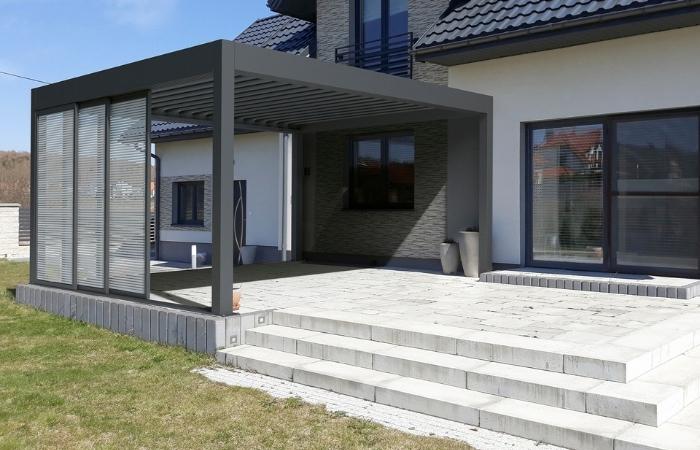
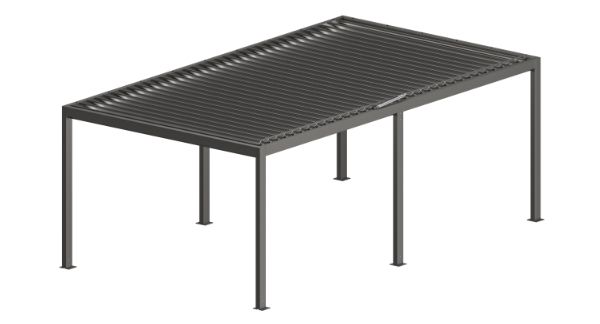
This is a pergola supported by 4 posts . It can be installed anywhere to create an intimate space: near the home, in the middle of the garden or near the swimming pool. To maintain its quality, it is not recommended to move it. We also find the term self-supporting pergola, which corresponds exactly to the same type of shape.
Learn more about the freestanding pergola
Without pole
This model is pillar-free and hangs directly on the wall using sturdy mounting points. It offers a host of benefits, including its practicality, allowing it to adapt to both small and large spaces, as well as its aesthetic appeal, creating a modern style for your living space.
Learn more about the postless pergola
Pergolas: What are the different materials for the structure?
Currently, pergolas are made from four types of materials. Each material has its own advantages and disadvantages.
Wooden pergola
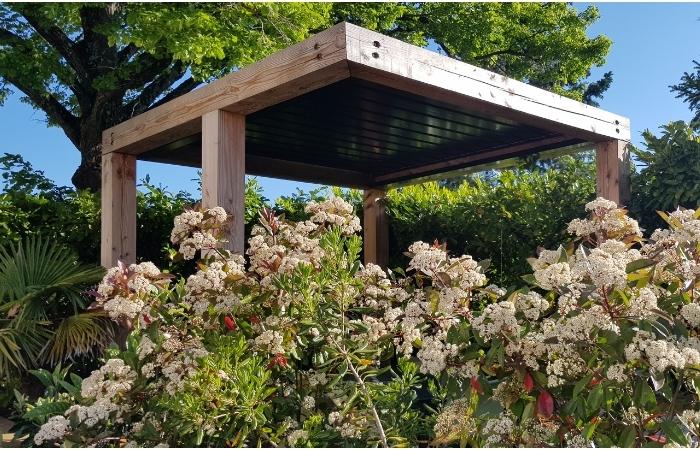
This material is more elegant and less expensive. A wooden pergola is an ideal choice for those who love a natural look. It easily blends into the overall decor while adding a touch of freshness. The disadvantage of wood is that it requires specific maintenance due to its sensitivity to humidity and insect attack.
Learn more pread on the wooden pergola
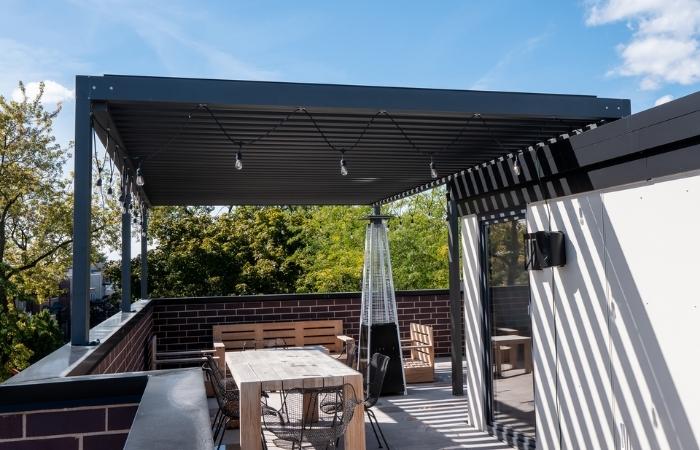
Aluminum Pergola
Aluminum is more expensive than other materials, but its quality can satisfy even the most demanding users. Not only is it durable and robust, but it also requires virtually no maintenance.
Learn more about the aluminum pergola
Wrought iron pergola
The wrought iron or steel pergola is the traditional version found in older properties. It is equally suitable for traditional and modern homes, and imposes a rather romantic style. In use, wrought iron is the most wind-resistant material. However, it is prone to rust, which will require regular maintenance to maintain its quality.
PVC pergola
The PVC pergola is much less expensive than aluminum and wrought iron models. It appeals due to its aesthetic appeal and ease of maintenance. However, its durability is somewhat limited, as it only lasts for 5 to 10 years maximum.
Materials for the roof
The pergola has a roof made of different materials. So, which one should you choose for your future pergola?
Plant structure
The green roof is similar to traditional pergolas. Its rustic, all-over look adds real character to your outdoor decor.
Additionally, it's a great way to showcase your love of nature. Ideally, choose climbing plants to adorn the pergola roof. Maintenance is limited to some training and removing excess stems.
Cloth
The canvas is lightweight and inexpensive. This cover provides good sun protection. Its major drawback is that it has a short lifespan. Its lightness makes it unsuitable for windy areas, making it unsuitable for areas with high wind exposure.
Adjustable blade
A pergola with adjustable slats is arguably the most effective solution for enjoying your outdoor space. With this roof, you have the option of fully letting in the light and playing with shadows.
Be aware, however, that the adjustable slat pergola is the most expensive, particularly due to its durable design and high weather resistance. Currently, there are two options: solid and hollow.
Full oriental blade
This is a new generation that has the advantage of closing completely in rainy weather. Rainwater is drained through a specific system, such as a post. Currently, the price of a full adjustable slat ranges from €500 to €1,000/m².
Hollow adjustable blade
This version is present on the first models of bioclimatic pergolas. It has a slope that greatly facilitates water drainage in the event of heavy rain. Its price per square meter varies from 600 to 800 euros.
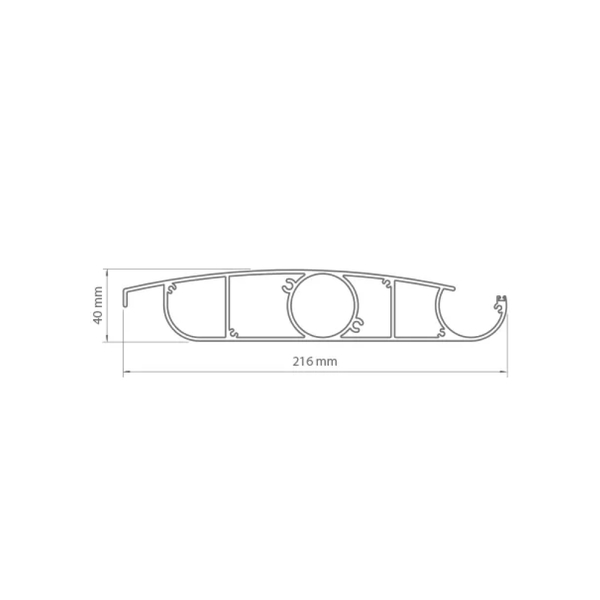
Example of a hollow aluminum blade
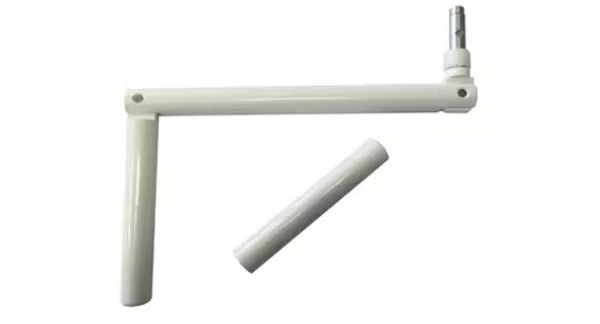
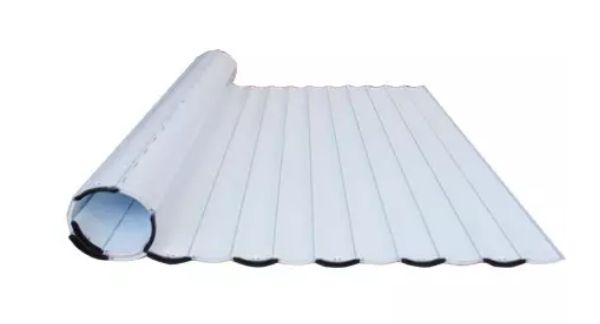
Please note that you can directly invest in a custom-made adjustable blade kit , which will adapt perfectly to the construction.
The price of a bioclimatic pergola
| Type of pergola | Average price (structure + blades) | Price of the engine |
|---|---|---|
| Bioclimatic aluminum pergola | Between 300 and 600 €/m² | Between €800 and €1,500 |
| Bioclimatic wooden pergolad> | Between 500 and 1,000 €/m² | Between €800 and €1,500 |
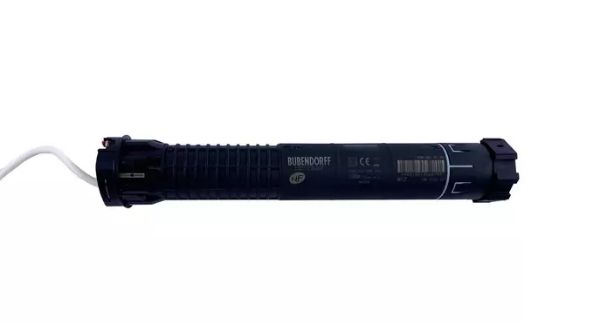
| Self-supporting bioclimatic pergola | Between 1,000 and 2,000 €/m² | Between €1,500 and €2,500 |
The price quoted must be customized according to many elements: standard or custom pergola, size, delivery, etc. This price does not include installation if you go through a professional. The last point to be aware of regarding this price aspect: think about "hidden" costs: preparation and reinforcement of the terrace slab, electrical connection to be created, there may be points you haven't thought about.
It is important to note that these prices are indicative and may vary depending on several factors such as the quality of the materials, the complexity of the structure, the options chosen, and the installation location. It is therefore recommended to request detailed quotes from several bioclimatic pergola manufacturers and installers to obtain an accurate cost estimate.
The orientation for your blades
After choosing the adjustable slats for your pergola, remember to check their orientation. Obviously, these are what transform your installation into a bioclimatic pergola.
This criterion will influence the ventilation of the space, the entry of light, and the aesthetic appearance of your layout. Also remember to check that a gutter is integrated to evacuate water.
To find out more, read our article: how to choose the direction of the slats and the opening of your bioclimatic pergola?
Parallel blade
The blade parallel to the wall of the house is intended for facades or pergolas facing north or south . The latter allows you to follow the path of the sun all day long and ensure your protection thanks to the orientation of the slats.
Perpendicular blade
This orientation is suitable for pergolas or facades facing east or west . It allows you to let the first rays of sunshine into the terrace and the house, and then enjoy optimal freshness all afternoon.
The color for your pergola
For this new living space, the choice of color for your pergola must take into account:
- Style of your accommodation: contemporary, traditional?
- Color of your accommodation
A sleek look like gray blends best with modern buildings. With custom pergolas, you can match the color of the roof to that of the posts.
For example, white blades with dark posts to give a modern look.
Regulations and taxation for a pergola
Before you get started, keep in mind that the size of your future installation will affect the steps you need to take. Here's a summary:
- less than 5 m²: no formalities
- from 5 to 20 m²: declaration of works
- above: building permit.
It is also necessary that your installation, whatever its form, remains open, otherwise we fall under the legislation of a veranda.
Find out about your legal obligations in this articlethe complete: what regulations apply to a pergola?
Conclusion
As you've probably already figured out, choosing a pergola requires careful planning and organization. It's not always easy to navigate, but it's a real plus for your comfort. It's an opportunity to create an additional living space in your home.
So, before embarking on this project, refer to our guide on bioclimatic pergolas or ask our team for advice. We have been helping many individuals choose their installation since 2015.
Our first project was directly in front of the company premises!
Learn more about setting up my pergola