














How to optimize energy efficiency and comfort with a bioclimatic house?
A bioclimatic house is much more than just a home: it is a harmonious ecosystem designed to meet your needs while respecting the environment. By making the most of natural resources such as the sun, wind and heat from the ground, it optimizes energy efficiency while ensuring optimal comfort for its occupants.
Discover the fundamental principles of bioclimatic architecture and how they can be put into practice, with examples of installations.
Summary
Orientation and solar capture
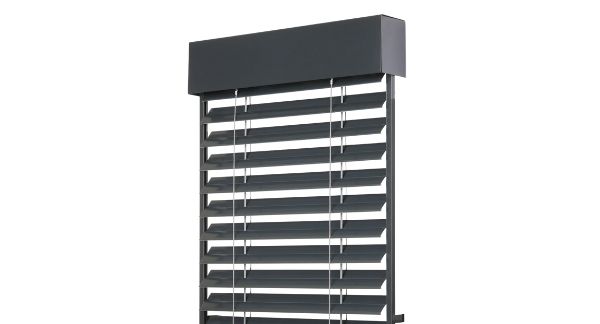
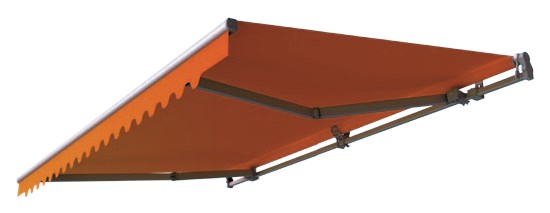
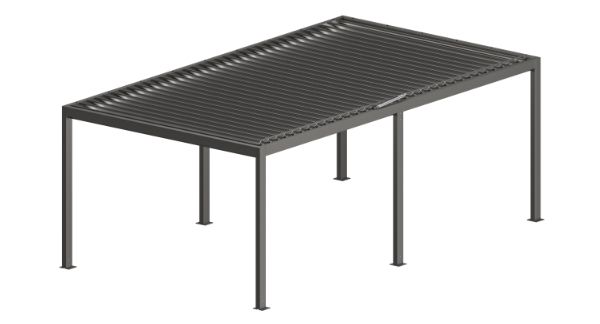
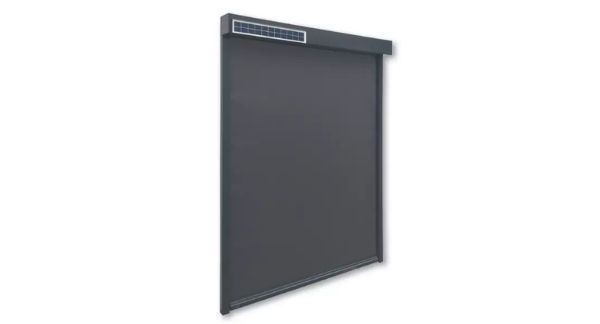
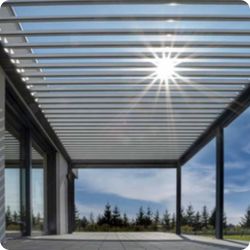
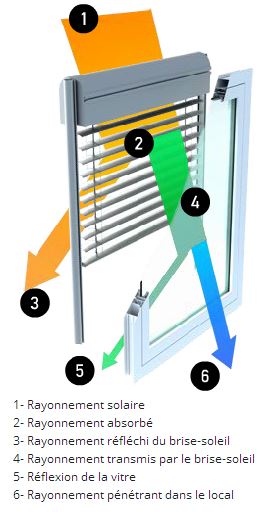
The orientation of the house plays an essential role in thermal regulation. A well-oriented house takes advantage of solar gain in winter, by positioning the living rooms towards the south. This arrangement allows you to capture a maximum of natural heat and light. In summer, solutions such as adjustable sunshades or pergolas help to avoid overheating by blocking direct sunlight while maintaining pleasant brightness.
The importance of thermal insulation
Thermal insulation is another pillar of the bioclimatic house. Reinforced insulation reduces heat loss in winter and maintains a pleasantly cool temperature in summer. Natural materials, such as wood wool or cellulose wadding, offer exceptional performance while respecting the environment.
In addition, the use of materials with high thermal inertia, such as clay building blocks, allows heat to be stored and gradually redistributed, thus regulating the interior temperature.
Optimization of openings and glazing
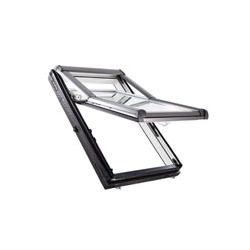
Windows and other openings should be designed to optimize solar gain and minimize energy loss.
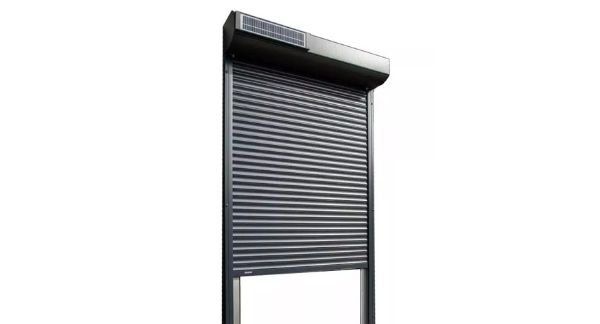
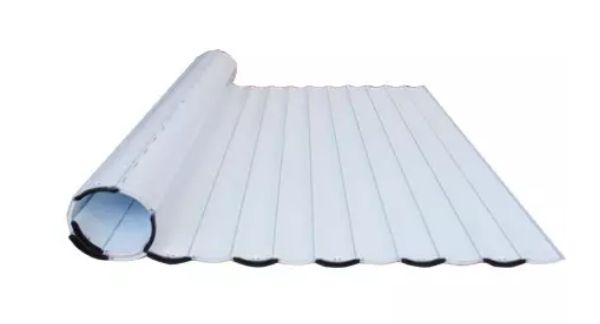
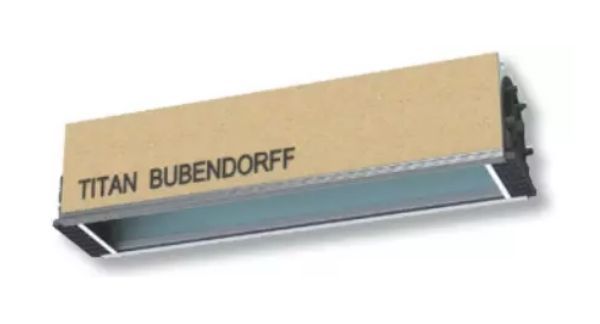
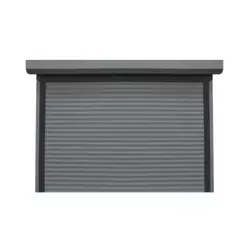
Double or triple glazed windows meet these requirements perfectly. Large south-facing openings promote heat input in winter, while suitable protection, such as insulating roller shutters, guarantee optimal comfort in all seasons.
Summer heat management
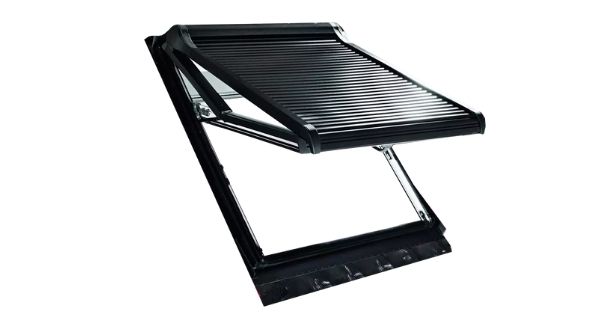
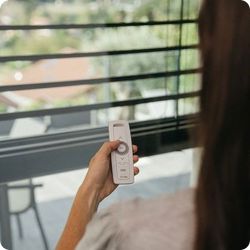
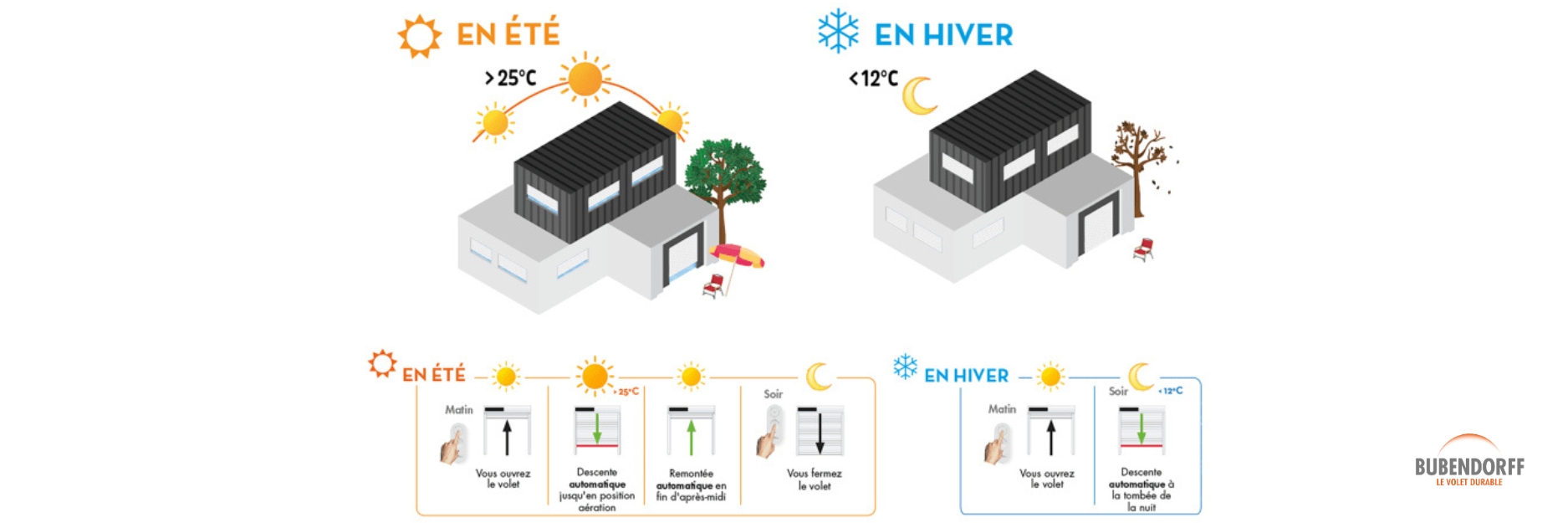
In summer, the comfort of a bioclimatic house also depends on its ability to manage heat. Devices such as bioclimatic pergolas and adjustable sunshade shutters provide effective regulation of light and heat. Vegetation also plays a crucial role: planting deciduous trees near south-facing openings provides shade in summer, while letting in light in winter.
Renewable energies: towards autonomy
The adoption of renewable energies represents an essential step towards achieving sustainable energy autonomy, reducing dependence on fossil fuels and diminishing environmental impacts. These solutions, intelligently integrated into homes and energy systems, make it possible to effectively meet domestic and industrial needs while promoting a transition towards a more eco-friendly future.ecological.
Solar water heater: a practical and sustainable solution
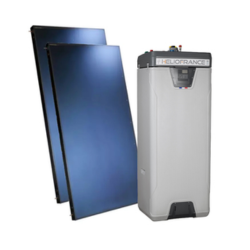
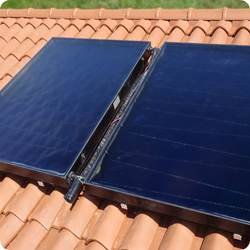
Solar water heaters are a great example of a technology that combines financial savings with a reduced environmental footprint. By harnessing solar energy to heat water, these systems significantly reduce energy costs. Combined with a well-insulated home designed to maximize energy efficiency, they minimize heating and cooling needs, thus contributing to optimized resource management.
Photovoltaic panels: produce your own electricity
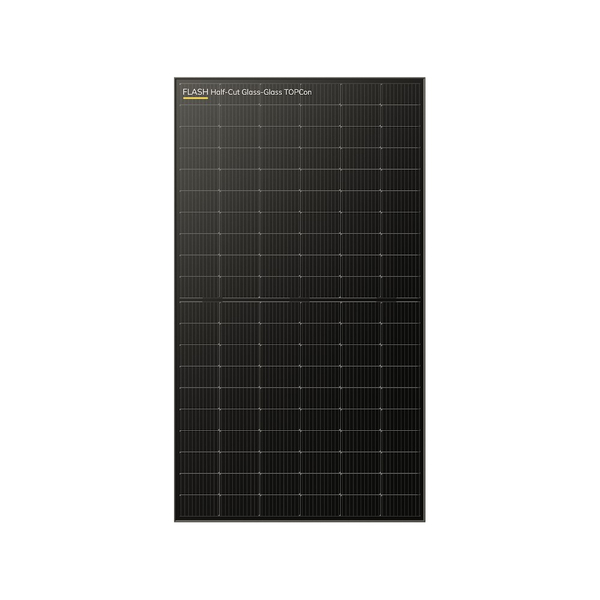
Photovoltaic solar panels offer the possibility of producing electricity directly from solar energy. Installed on roofs or in dedicated spaces, they allow individuals and businesses to generate part, or even all, of their electricity. Coupled with energy storage systems, such as lithium-ion batteries, they increase autonomy by providing continuous power even in the absence of sun.
Domestic wind turbines: wind at the service of individuals
For rural or windy areas, home wind turbines represent another option for generating renewable energy. These devices capture the kinetic energy of the wind and transform it into usable electricity, supplementing or replacing traditional energy sources.
By combining these solutions with a well-designed home, heating and air conditioning needs become minimal.
Choice of eco-responsible materials
The choice of building materials also has a major impact. Favoring eco-responsible and local materials, such as hemp or cork insulation, helps reduce the carbon footprint of your home while improving its thermal performance.
Water management and autonomy
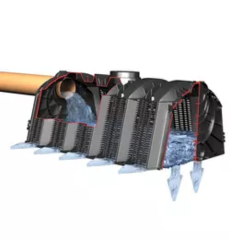
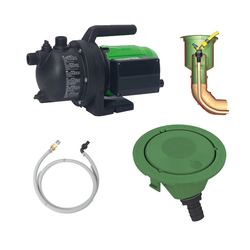
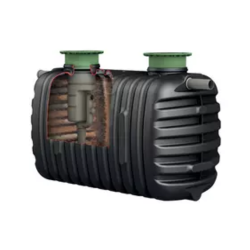
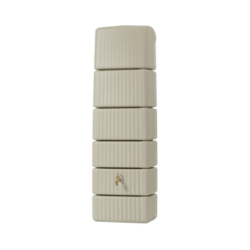
Finally, a bioclimatic house often includes intelligent water management systems. Rainwater harvesting meets non-potable needs, such as watering the garden or toilets.
All our articles on rainwater harvesting
Rainwater recovery:
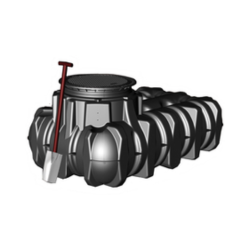
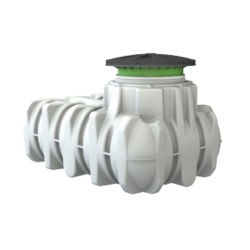
Collecting water that falls on roofs and storing it in underground or above-ground tanks allows it to be used for non-potable purposes such as watering the garden, outdoor cleaning, supplying toilets or even the washing machine after pre-treatment. This reduces drinking water consumption and dependence on supply networks.
Treatment and reuse of grey water
Grey water, from showers, sinks or washing machines, can be filtered and reused for non-potable uses. Compact and efficient treatment systems can purify this water on site, providing a valuable resource for applications such as irrigation or toilets. This approach optimizes the use of every drop of water consumed.
Read our article on regulations in France on rainwater recovery
Dry toilets and other natural water basins are all solutions for regulating water use. By combining these different approaches, a bioclimatic house manages to drastically reduce its consumption of drinking water, limit its environmental impact and move towards complete autonomy in terms of water management. These innovations, adapted to local needs and available resources, make it possible to build a resilient and environmentally friendly habitat.
Advantages of temperate bioclimatic houses
Temperate bioclimatic houses offer multiple environmental benefits.
First, they enable a significant reduction in the carbon footprint by minimizing the use of energy for heating, air conditioning and lighting, thus contributing to the reduction of greenhouse gas emissions.
Then, they promote the conservation of natural resources through the use of sustainable and local materials, which reduces dependence on non-renewable resources and limits the environmental impact of construction and maintenance.
Finally, these houses improve indoor air quality, particularly thanks to natural materials and efficient ventilation systems, which is beneficial for the health of the occupants.
Investing in a bioclimatic temperate house also offers economic benefits. The energy efficiency inherent in this type of house allows you to reduce heating and air conditioning bills, thus generating savings in the long term.
In addition, these houses are increasingly sought after on the real estate market due to their energy performance and low environmental impact, thus increasing their resale value.
Examples of Installations
Controlled Mechanical Ventilation (CMV) Double Flow
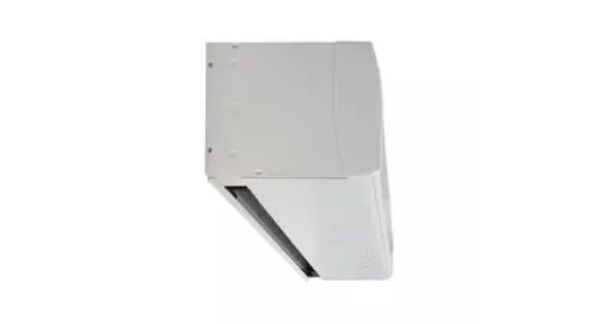
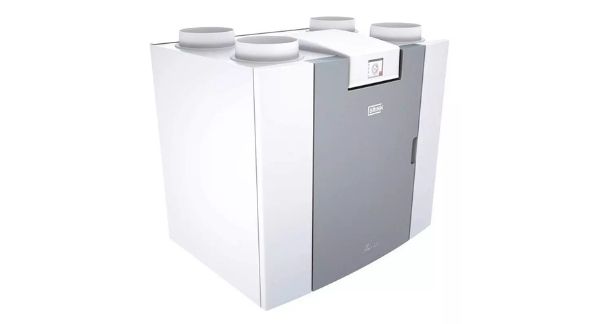
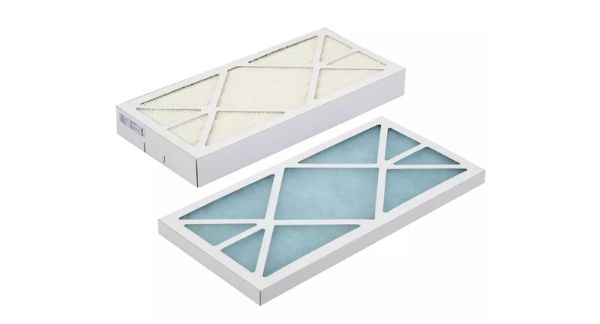
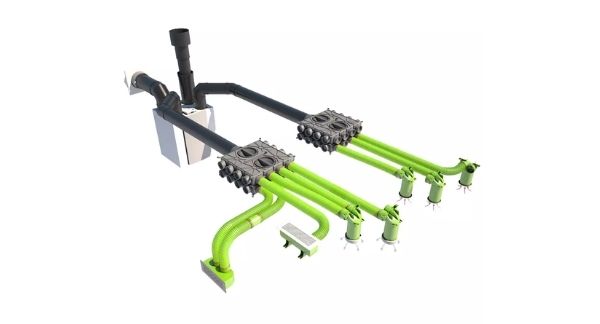
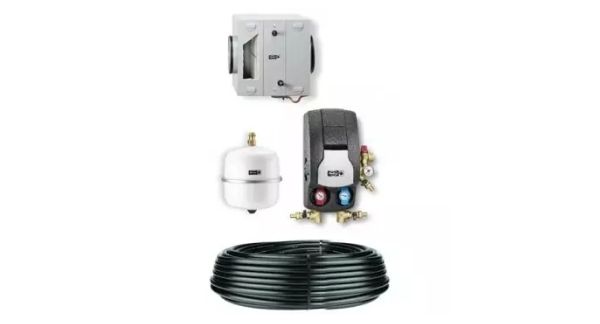
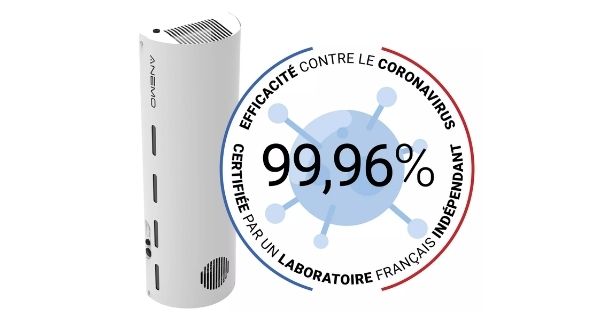
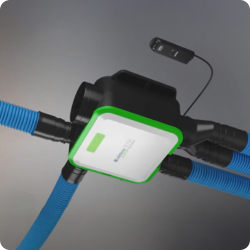
In the context of a temperate bioclimatic house, installing a dual-flow CMV is an effective solution for maintaining optimal air quality while reducing energy consumption. This system has two flows: one to evacuate stale air from the house, and the other to introduce fresh outside air. Both flows pass through a heat exchanger that recovers up to 90% of the heat from the evacuated air to preheat the incoming air. This makes it possible to maintain a pleasant indoor temperature without opening the windows, even in winter, and considerably reduces heating requirements.
How to choose the right ventilation?
To live in quality air, our team is at your side.
Complete this form, we will get back to you within 24 hours
How to choose the right ventilation?
To live in quality air, our team is at your side.
Complete this form, we will get back to you within 24 hours
Green roof
Installing a green roof is another popular feature of temperate bioclimatic homes. Not only does it help insulate the building, reducing heating and cooling needs, it also helps manage stormwater and improve local biodiversity. Vegetation can be chosen specifically for the local climate, minimizing maintenance and watering needs.
These two examples illustrate how innovative technologies and designs can be integrated into bioclimatic construction to improve both energy efficiency and occupant comfort.
Conclusion
In conclusion, opting for a bioclimatic house means choosing a high-performance, ecological and comfortable home. With suitable solutions, transform your project and make your bioclimatic house a reality.